San Antonio Addiction Treatment for Teenagers: Building Resilience
Adolescents do not misuse substances in a vacuum cleaner. In Bexar Region I have actually satisfied teenagers who started vaping THC in intermediate school because it assisted them sleep after a parent's night shift left them alone. Others started taking diverted ADHD energizers to stay on top of advanced courses, then moved right into weekend Xanax and, eventually, fentanyl-laced imitation tablets. The path in is hardly ever a solitary choice, and the path out is never a single service. Effective addiction treatment for teenagers in San Antonio depends upon timing, family members interaction, cultural fit, and functional follow-through, not just a diagnosis code.
This is a city with deep neighborhoods, huge high schools, a solid army presence, and households that frequently cover numerous generations within a couple of miles. All of that shapes just how teenagers reply to aid. The programs that work right here meet teens where they are, attach rapidly to institutions and medical care, and develop abilities that matter on a Tuesday mid-day, not simply throughout a treatment hour.
What durability really resembles for teens
We use resilience so often it runs the risk of sounding abstract. With teens, I specify it in evident behaviors. A resilient teenager can call a desire prior to it runs them, can request for aid without shame, and can self-correct after a slip. They show up for college even when sleep is off. They return phone calls from their therapist. They comprehend that 2 great weeks do not guarantee a very easy third week, and they prepare around that fact.
Resilience is not personality. It is a collection of behaviors, practiced in little moments, sustained by grownups that maintain appearing. In therapy, we build those habits through repeating and predictable structures. Safety and security strategies are taped to bedroom wall surfaces. Instructors and educators are knotted in, within the guardrails of personal privacy regulations. Moms and dads find out to reply to late-night panic with three stable steps, not arguments. Over time, the teen's nerve system learns a different pattern.
The landscape of teenage addiction treatment in San Antonio
Families often ask for a single recommendation, as if there is a finest area around. There is no one-size alternative. What San Antonio does have is a complete continuum, from quick interventions in pediatric centers to extended residential care. The appropriate suit is normally the least intensive level that still ensures safety and progress.
-
Early treatment and school-linked services: Numerous center and high schools collaborate with area suppliers for avoidance classes, quick screenings, and very early therapy. This is where I like to start if the teen is trying out or revealing moderate disability. A 2 to 6 session motivational intervention can transform direction prior to a crisis.
-
Outpatient and intensive outpatient programs: For teenagers using weekly or day-to-day, yet stable in your home, these programs use three to 9 hours each week, commonly in late afternoon or night. In San Antonio, scheduling around football, mariachi, and work changes really matters. Programs that bend with activities maintain teenagers engaged.
-
Partial a hospital stay and day treatment: Useful when step-up intensity is required without an overnight keep. Commonly five days a week, five to six hours each day, for two to 4 weeks. Transportation assistance can be the difference in between presence and dropout.

-
Residential therapy: Booked for risky usage, co-occurring psychological instability, or unsafe home atmospheres. Short keeps, generally 14 to 45 days, focus on stablizing and preparation, not treatments. One of the most successful discharges have actually outpatient follow-up scheduled prior to the teenager leaves the building.
-
Medication-assisted therapy: For opioid usage, buprenorphine can be proper even for teens, yet prescribers comfortable with young people are fewer. For alcohol, naltrexone might be taken into consideration. These decisions are nuanced and need to be coupled with therapy and household work.
A quick note regarding expense and protection in Texas: Medicaid and CHIP can cover a significant part of teen solutions, yet permissions are time-limited and documents heavy. Commercial plans vary widely. Households need to expect at the very least 3 call: benefits verification, scientific assessment, and permission. Programs that aid with this documents have a tendency to maintain teens enrolled longer.
What modifications in the fentanyl era
Five years earlier, counterfeit tablets were an occasional risk. Currently, they are regular. I have seen teens that believed they were taking Percocet misuse pushed tablet computers with fentanyl on the initial or second try. For families, this changes take the chance of calculus. A parent who as soon as assumed we can keep an eye on a taper in the house currently deals with a prospective overdose with a solitary lapse.
In useful terms, this suggests more regular use naloxone in homes and schools, even when the main compound is not opioids. It means greater uncertainty for withdrawal concealed as anxiety. It additionally forms exactly how we speak with teens. I do not moralize. I define strength irregularity in pushed tablets, reveal a five-minute training on naloxone sprays, and practice a strategy with pals. Harm reduction may really feel uneasy to some parents, yet teaching survival abilities is part of keeping a teenager alive long enough to select recovery.
Family systems matter greater than any single modality
I have concerned depend on household therapy not due to the fact that it is rather, yet since it is practical. When a teenager quits making use of, household regimens are the scaffolding that holds those very early days. In San Antonio, I have actually watched grandparents become the consistent trip to mid-day groups, a tían end up being the lunch check-in by message, or an older sibling silently reposition shifts to cover child care so parents can participate in multi-family sessions.
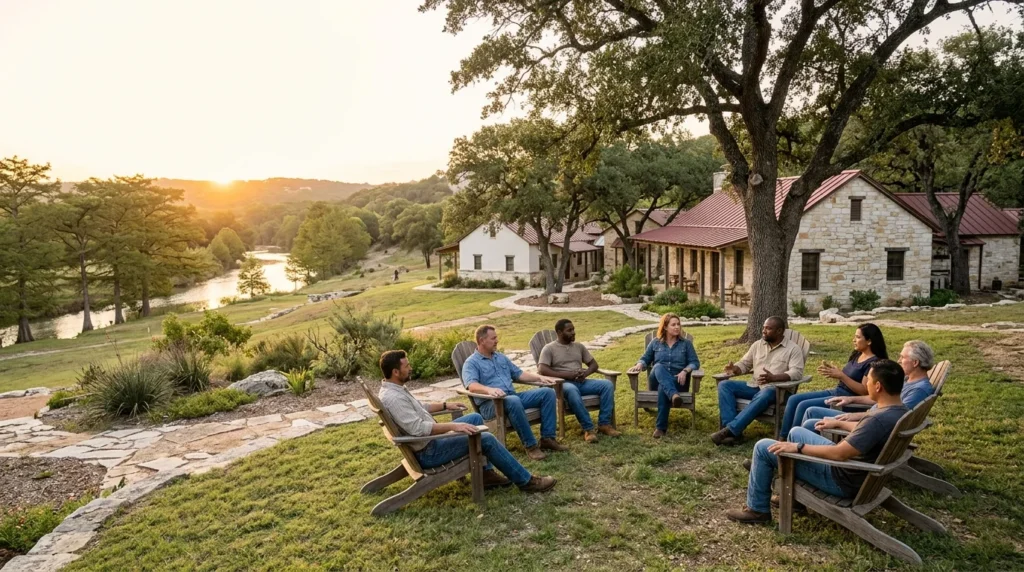
Models like multidimensional household treatment, useful family members treatment, and the household components of the Teen Community Reinforcement Technique deserve seeking. Despite the tag, seek a program that:
-
Sees moms and dads or caregivers weekly and appoints them active tasks, not simply updates.
-
Teaches clear restrictions with cozy tone, rather than anger-driven rules.
-
Provides manuscripts and role-plays for risky conversations, not just handouts.
-
Addresses caretaker stress and anxiety, including rest and neglected anxiety or trauma.
-
Talks about social networks and team chats directly, because those shape access and triggers.
Families occasionally withstand household job because the teenager "needs to own their selections." I comprehend the belief, and I still motivate them to show up. Teens improve faster when the climate in the house obtains less unpredictable, also if the teen at first rolls their eyes with the very first 2 sessions.
Co-occurring mental health is the standard, not the exception
If you ask a San Antonio teenager why they use, you will certainly read about racing ideas, chronic discomfort, rest that never resets, and the glow of performance stress. https://jsbin.com/nigedijavu Stress and anxiety and anxiety typically precede regular use, and trauma prevails across postal code. Therapies that miss this layer do not stick.
On the ground, this suggests screening for ADHD, generalized anxiety, panic, PTSD, and discovering differences at intake, then readjusting plans. A teenager with neglected ADHD who drops cannabis might find classes excruciating. If we do not revisit energizer options or non-stimulant options, we leave them to white-knuckle institution for a week or more before relapse. Likewise, a teenager with nighttime anxiety attack will struggle to withstand benzodiazepines unless we aggressively develop various other rest and anxiety tools.
I additionally suggest households to inquire about dietary and sleep assistances. You can not separate state of mind from tiredness and blood sugar in an establishing brain. Simple steps aid: consistent meal timing throughout program days, magnesium or melatonin reviewed with a clinician, and guidance to taper high levels of caffeine after 2 p.m.
Culture, language, and neighborhood ties
San Antonio is not a monolith. The West Side has different rhythms than Stone Oak, and military family members deal with various stress factors than hospitality employees midtown. Programs that flourish here hire multilingual staff, respect weekend break obligations around faith and family, and deal sessions that do not compel teenagers to pick in between therapy and band technique. I have seen participation double when groups moved to 6 p.m. Start times and included a transportation loophole that consisted of Harlandale and South San districts.
Language gain access to issues. A moms and dad who responds via an English-only session may leave puzzled. When a clinician mirrors a family's language and traditions, trust fund expands faster and safety strategies obtain made use of. If a program can not supply analysis, they must describe one that can, not ask a brother or sister to convert medical content.
Coordination with schools and the juvenile system
A considerable share of recommendations in Bexar Area come after school incidents or adolescent probation encounters. That develops urgency and, in some cases, fear. Excellent programs know just how to balance privacy with functional control. With guardian consent, they share participation notes or monthly summaries while maintaining treatment content private.
On the college side, the most efficient plans consist of:
-
A re-entry meeting after any suspension or a hospital stay, with clear assumptions and a named point person.
-
Adjusted workload for the first 2 weeks back, specifically if rest and focus are shaky.
-
Permission for short, exclusive check-ins with a therapist during the institution day.
If probation is included, frequency of screening and the consequences of a favorable screen should be reviewed openly. The objective is to produce accountability without establishing catches. I have actually seen teens turn the corner when a policeman frames each browse through as mentoring rather than surveillance.
What a solid therapy plan includes
Every program has its themes, but in technique a durable plan for a San Antonio teenager typically includes the following aspects, written in plain language and dated:
-
A security intend the teen in fact aided style, covering yearnings, people to call, and puts to stay clear of for the very first 30 days.
-
Specific treatment targets tied to institution or home life, like riding the bus sober 3 early mornings a week or returning to soccer method by a specific date.
-
A family members agreement about phones, curfew, cash, and car use, with consequences that are prompt and brief, not sweeping and vague.
-
A timetable that values commitments. If a teen lives on the South Side and works weekends, a program across Loop 1604 with 7 a.m. Groups might not be realistic.
-
Follow-up consultations reserved prior to landmarks that often tend to undercut teenagers, such as completion of a sports season or college breaks.
Notice that none of this is exotic. The program's magic is uniformity. Durability grows when the teen sees adults keep their word and adjust based upon what is observed, not what is hoped.
Medication: when it assists, when it complicates
Families often toggle between concern of drug and hope that a prescription will certainly do the heavy training. The middle path is to use medication tactically to sustain therapy goals.
-
For opioid usage problem, buprenorphine can reduce overdose threat and cravings. Prescribers must be comfortable with teenagers and snugly incorporated with therapy and family work. I have seen effective begins when the first dose is given up clinic, adhered to by everyday check-ins for a week.
-
For alcohol use disorder, naltrexone can blunt benefit. With teens, adherence rises when connected to a noticeable routine, like taking it with a parent after dinner, not as a covert tablet at school.
-
For co-occurring anxiousness or clinical depression, SSRIs are common. Anticipate a careful titration and frank conversation regarding adverse effects. If a teenager is vaping high-THC focuses, I usually delay medicine by one to 2 weeks to view what signs and symptoms continue to be after THC levels drop.
Medications can make complex pee screening and the understanding of "genuine recovery." It helps to reframe development as function and safety, not a drug count.
Choice design at home
Families do not regulate desires, however they control the setting. The information matter: a secured cupboard for medications, cashless allowances, trips aligned with program schedules, and visible naloxone. I likewise urge lowering high-conflict interactions for the very first month. Change interrogations with structured check-ins: What worked out today, what was hard, what is the prepare for tonight, who is your call if desires struck. These five-minute talks do more than a late-night argument ever before will.
For technology, I advise simple guardrails: disable disappearing messages throughout the very first 1 month, keep phones out of bedrooms at night, and select a solitary group conversation where moms and dads and the teen share logistics. I prevent sophisticated spyware. Teens defeat it, and the connection cost is generally more than the benefit.
A brief tale from practice
A 16-year-old from the North East ISD got here after a scare with imitation tablets at a party. He had actually been vaping THC daily and utilizing pressed tablet computers two times a week. Qualities glided from A's to C's. His mother functioned double changes in health care, and his uncle did institution pick-ups. The family members had tried grounding, phone restrictions, and weekend lock-ins, all short-term.
We started with extensive outpatient, three evenings a week, and a Saturday activity team that rotated basketball and art. The family members sessions focused on 3 adjustments: the uncle took control of bedtime regimens throughout his mommy's late changes, the teen itself created the safety plan and argued the fridge, and the college counselor scheduled research study hall during last duration to reduce late-night research rises. We added naltrexone after two weeks when yearnings for pills stayed high.
The teen slipped as soon as, admitted it during a family session, and invested the following day doing sober activities they had planned beforehand. No screaming, just a check-in with the counselor and a trainer. At 90 days, grades were back to B's, rest supported, and the mommy could change to days due to the fact that the teenager took even more obligation for brother or sisters. Nothing concerning this was dramatic. It was a series of tiny, stable relocations that constructed trust fund and routine.
How to select amongst programs without obtaining lost
San Antonio has solid choices, but marketing can obscure differences. To puncture the noise, call three programs and ask the exact same five concerns. Pay attention for clear, particular solutions, not slogans.
-
What percent of your teenage clients finish the first 1 month, and what helps them stay?
-
How do you include families every week, and what job do you appoint to caregivers?
-
How do you coordinate with schools and probation when applicable?
-
Do you have multilingual team and transport support within my zip code?
-
What is your approach to fentanyl danger, consisting of naloxone circulation and education?
If a program can not respond to within a min per question, they might not have the infrastructure your teen needs. Additionally inquire about waiting lists. A two-week wait on a strong fit might be far better than a next-day intake to a program without family job or school coordination. While you wait, routine bridge supports: health care check-ins, an once a week specific counselor, and a naloxone kit in the home.
What makes treatment in Texas distinctive
Addiction therapy in Texas rests within a governing and cultural environment that forms care. Adult permission for teenage treatment is typically called for, yet teens likewise hold particular personal privacy rights over their records. Programs ought to clarify what can be shared and obtain written launches that are reviewed as conditions change. Insurance permissions commonly call for quick re-justification, which means households will be asked to finish frequent studies and attend treatment reviews. Programs utilized to this tempo action smoother.
Geography issues. Several households live far from main centers, so telehealth fills spaces. It works best as a supplement. I urge a minimum of one in-person check out once a week throughout the very first month, to verify drug displays and check out body language that does not come with a screen. For rural pockets surrounding San Antonio, control with neighborhood primary care and school counselors comes to be critical to maintain energy between specialized consultations in the city.
Building a healing community, not a silo
Teens seldom get better alone. The programs that see sustained change in San Antonio actively cultivate an internet of supports: peer coaches who respond to texts on Friday nights, faith communities that provide nonjudgmental rooms, sporting activities groups that hold spots throughout therapy breaks, and workplaces that understand healing guardrails. I have actually seen a Starbucks supervisor come to be the constant adult a teenager sign in with prior to a challenging weekend break, or a church young people leader quietly drive a teen to treatment when a parent's car was down.
This ecological community must include moms and dads. Support groups tailored for caretakers, whether family-based healing groups or short psychoeducation collection, supply scripts, viewpoint, and humor. Moms and dads entrust to useful ideas like just how to expression a medicine screen request without transforming the kitchen area into a courtroom.
Measuring progress when it is not linear
Families crave a tidy graph of enhancement. The fact is untidy. I establish expectations this way: search for patterns over 30-day home windows. Signs of development include fewer high-risk circumstances, faster healing after slides, and boosted function at school and home. A favorable urine drug screen is data, not destiny. We use it to identify triggers and change assistances. If the pattern ends up being regular or the teenager stops interesting, we tip up intensity swiftly instead of suffering a slow slide.
Documenting little success assists. A teen that wakes at 7 a.m. Three college days straight has achieved a structure that makes every various other goal much more feasible. Compose it down. Celebrate it. After that ask what made it possible and reproduce that pattern.
A parent's brief action prepare for the very first two weeks
-
Secure safety and security: Bring naloxone home, lock up medications and alcohol, eliminate paraphernalia without a debate you can not win.
-
Choose link over control: Schedule one everyday five-minute check-in at a tranquil time. Keep it consistent.
-
Align adults: Choose with other caregivers what the next 2 weeks appear like. Mixed messages mess up progress.
-
Right-size college: Email the counselor to request a lightened tons for one to 2 weeks. Protect sleep.
-
Build a weekend strategy: Fill Friday evening and Saturday afternoon with low-friction tasks the teenager helped pick.
When to take into consideration tipping up care
Most families can start with outpatient treatment. Step up if you see any of the following: repeated fentanyl exposure or overdose, escalating self-harm, violent actions at home, or an environment where accessibility to compounds is consistent and inescapable. A step-up does not suggest you stopped working. It means you are matching the degree of like the level of danger. Before a step-down from a greater degree, insist on a composed aftercare strategy with names, days, and transportation details.
Final ideas from years in the field
I have seen San Antonio adolescents stun everyone when the right pieces clicked. None of them became resilient by crash. They exercised. Their families practiced. Their colleges flexed. Their programs maintained promises. What made the biggest distinction was not a novel therapy or a smart app, however a collection of boring, repeatable activities that built skills and hope.
Addiction therapy in San Antonio, and more generally Addiction treatment texas residents can gain access to, works best when we stay clear of grand gestures and stick to the daily job. If you are a moms and dad or caretaker reading this on your phone in a parking lot, begin little. Make one call. Choose one program that fits your life. Ask the 5 inquiries. Create one plan on one sheet of paper and tape it somewhere visible. You do not require to resolve everything today. You require a course you can walk tomorrow.
When a teen learns they can make it through a hard day without using, they collect a token of confidence. Stack sufficient of those tokens, and you have durability. That, more than any solitary treatment week, is what lugs them right into adulthood.